Be in The Know
🎨 Canva launches its first public AI image model.
🎵 Apple Music gets a fresh visual identity.
⚖️ Allulose faces growing class-action scrutiny.
🎁 Holiday marketing has a Gen Z problem.
🛒 Dollar General faces an FTC lawsuit over pricing.
🏈 Jay-Z announced as Super Bowl halftime headliner.
🛍️ TikTok shares Black Friday and Cyber Monday marketing tips.
One App, Four Algorithms
Ever wonder why a Reel reaches thousands of strangers while your Stories barely make it past your regular viewers? Instagram isn’t ranking everything with the same algorithm.
Feed, Stories, Reels, and Explore each have their own ranking systems because people use them differently. According to Buffer’s updated 2026 guide, three signals matter most across Instagram: watch time, likes per reach, and sends per reach.
Here’s what marketers should know:
- Feed is about relevance and relationships. Instagram considers past interactions, post popularity, and how connected someone is to the account. Create content your existing audience wants to engage with.
- Stories reward familiarity. Viewing history, replies, and DMs influence which Stories appear first. Use interactive content and conversations to strengthen relationships with followers.
- Reels help you reach new people. Watch time and sends are especially important. Give viewers a reason to keep watching and share the video with someone else.
- Explore is built for discovery. Popularity and a user’s previous interests help determine recommendations. Create content that clearly fits the topics your audience cares about.
- Originality matters. Instagram favors original creators over accounts that primarily repost other people’s work.
- Measure the right signals. Likes are slightly more important for reaching followers, while sends matter more for non-follower reach. Compare watch time, likes per reach, and sends per reach instead of obsessing over views alone.
Buffer’s analysis of more than four million posts also found that Reels generated 36% more reach than carousels, while carousels earned 12% more engagement.
So before blaming the algorithm for a disappointing post, consider where you’re publishing, whom you’re trying to reach, and what action your content encourages.
Head to Buffer for more.

Q for You
What's your biggest Instagram struggle right now?
Carrd
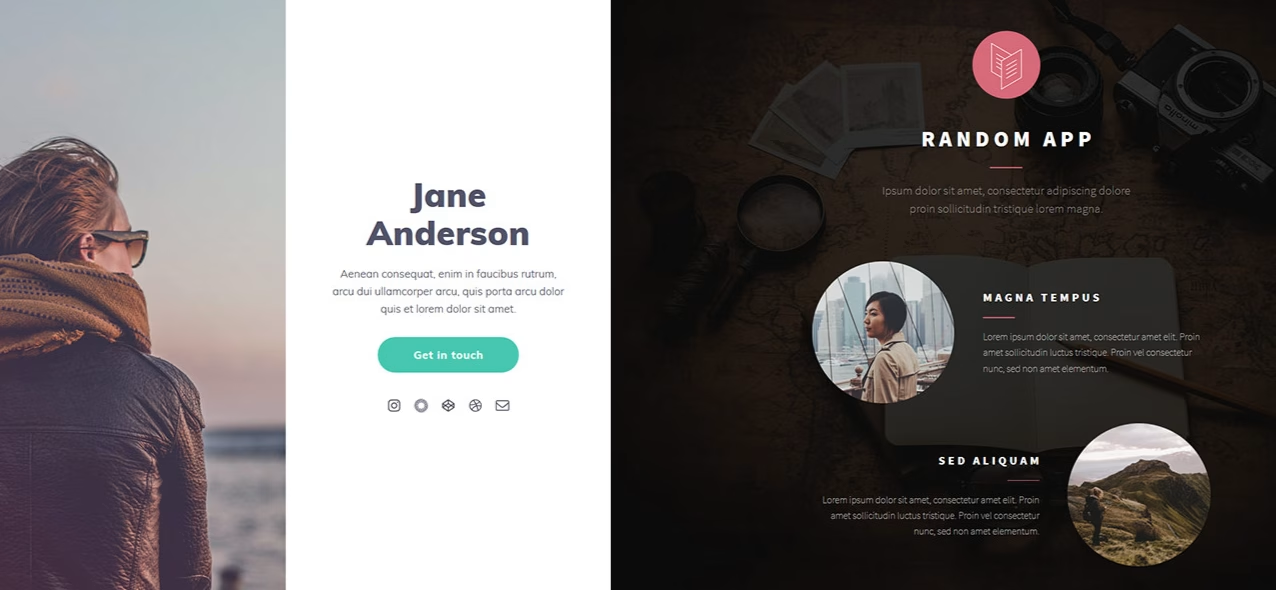
Not every website needs ten pages and a complicated setup.
Carrd lets you build simple, responsive one-page websites without writing a single line of code. Choose a template, customize the layout, and add everything from contact forms to signup sections and embedded content.
It’s especially handy for landing pages, portfolios, and quick campaign launches when you just need something clean, functional, and live without turning it into a whole web development project.
Now Streaming
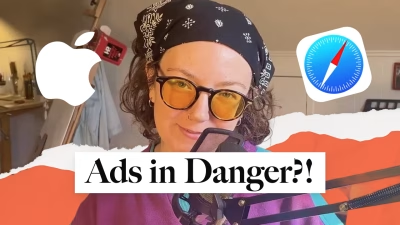
Don’t miss the latest episode of The Daily Carnage Show, here’s what we’re covering:
🔒 Apple’s secret blocklist: How Safari’s restrictions work and which ad tech companies have been affected.
📉 The impact on advertisers and publishers: Why disruptions to ad delivery and audience signals could affect campaign performance, publisher revenue, and programmatic advertising.
📊 The measurement problem: Why winning an ad auction doesn’t always mean an ad actually appeared on a user’s screen.
⚖️ Privacy vs. platform power: What happens when the company controlling the browser also operates an advertising business?
🛠️ What marketers should do next: Audit your ad tech dependencies, verify campaign delivery, strengthen your first-party data strategy, and ask vendors about their contingency plans.
Apple’s approach raises a bigger question for the open web: How do we protect user privacy while maintaining the infrastructure that supports digital advertising?
🎙️ Plus, catch up on Season 2:
- AI Is Killing Entry-Level Marketing Jobs (12:55)
- Microdramas Are Taking Over Marketing (10:43)
- AI CEOs Want to Slow Down. The AI Race Won’t. (11:39)
- Reddit Is Changing SEO & AI Search (10:55)
- The Creator Economy Rules Gaming (43:53)
- Dark Patterns Are Becoming a Legal Problem for Meta (12:06)
- Dissecting the Brand Apology (11:35)
- Google Image Search is… Pinterest? (9:26)
- Sony & The Death of Physical Media (8:57)
🎙️ Now streaming on Youtube, Spotify, Amazon Music, and Apple Music.
Become a Friend of The Daily Carnage
The Daily Carnage reaches decision-makers at brands, agencies, SaaS companies, and startups who are actively researching solutions, evaluating vendors, and making purchasing decisions every day.
Now, we’re opening up a limited number of Friends of The Daily Carnage partnerships for brands that want to build a consistent presence with our audience, not just run a one-off ad.
Friends get discounted sponsorship inventory, priority booking, first access to unsold placements, bonus opportunities, and performance reviews throughout the year.
Partnership levels include dedicated newsletter features, premium placements, podcast pre-rolls, classified ads, social promotion, and more.
Past sponsors include Canva, HubSpot, Salesforce, Mailchimp, Marketing Brew, and dozens of other leading brands.
Interested in reaching marketers who actually click? Reach out to get started!
Join The Carnage Community 🤝
Let’s take this party outside of the inbox, Carnies!
Connect and network with over 20,000 marketers to get (and give) advice, feedback, support, and LOLs.
- 💬 Join r/TheDailyCarnage on Reddit
- 👍 Join The Daily Carnage Facebook Group
😎 See ya there.
Too Scary; Didn’t Read
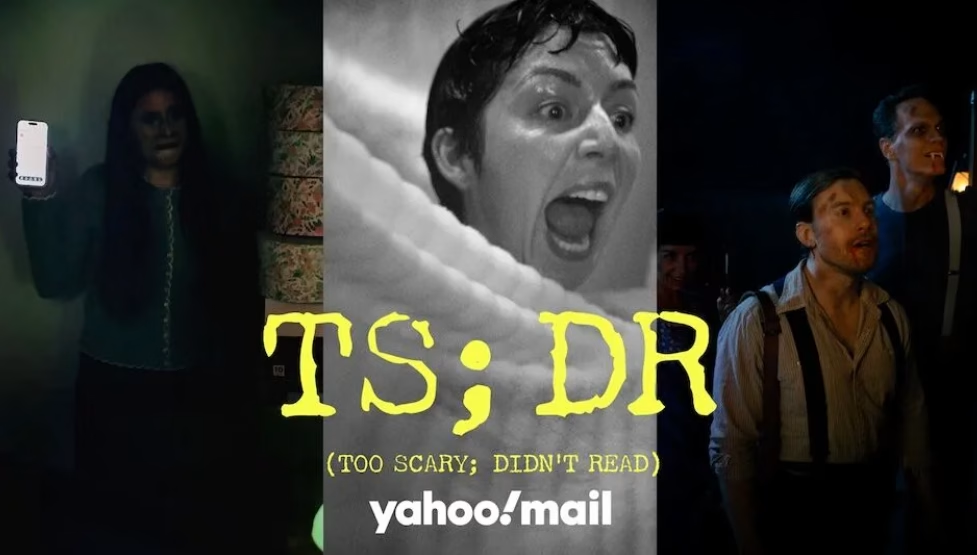
Forget ghosts and haunted houses. Have you ever received a text that just says “K.”?
Yahoo Mail is turning everyday email anxieties into mini horror movies for Halloween with “TS;DR: Too Scary; Didn’t Read.” The three social shorts parody classic horror tropes, from a terrifyingly short reply to a missed school email and even a vampire struggling to get into a party without his confirmation message.
Created with Conscious Minds, the campaign gives familiar inbox nightmares the full Hollywood horror treatment.
Ads from The Past
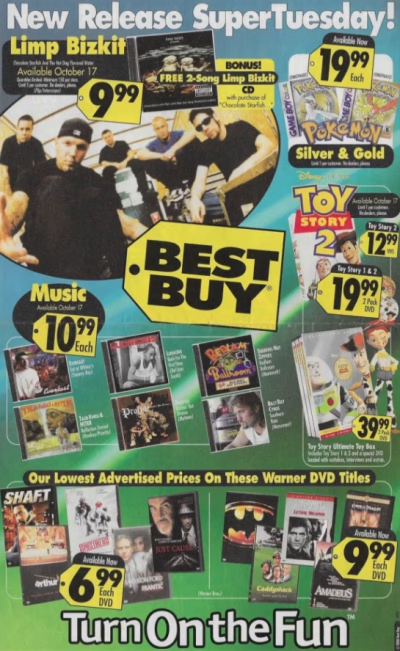
Best Buy, 2000